Roof Repair Apex, NC
- Home
- Roof Repair Apex, NC

Two Roof Histories Under One Zip Code
Apex keeps two roof histories under one zip code. Walk the cottages near Salem Street and you are looking at roofs that predate the bypass, some still on original plank decking; drive ten minutes west and you pass subdivisions where the shingles are younger than the saplings in the front yard. The repair work changes completely between those two worlds, and Raleigh Roof Pro runs Apex on its southwestern route precisely because both worlds are our daily work. Old Apex wants patience, matching stock, and a light hand. New Apex wants spec discipline, warranty-aware documentation, and fast storm response. The method that ties them together is simple: date the roof first, then price only what its era actually needs.
The Cottages Near Salem Street: Repairing Old Apex
Historic Apex roofs were framed with lumber you cannot buy anymore, and they reward a crew that moves like a conservator instead of a demo team. We walk plank decking carefully, pull brittle shingles without cracking their neighbors, and repair flashing the way the original roofer intended it to shed. Matching stock for mid-century shingles comes from our salvage shelves, and when the house sits inside the historic district we keep visible work respectful of the streetscape. The goal is a repair that keeps the house’s history instead of erasing it.
The New Builds West of Town: Warranty-Era Repairs
A five-year-old roof in a new Apex subdivision is usually still inside its manufacturer’s window, and sometimes inside the builder’s, which changes how a repair should be done. We work to the shingle manufacturer’s written spec, photograph each step, and keep the fastener and flashing record clean so a warranty conversation stays a warranty conversation. Storm damage on a young field gets the same discipline: dated impact photos, a slope-by-slope map, and a scope written the way a carrier or a warranty department wants to read it.
Wind Lines That Cut Through the Peak
Apex sits where the open terrain to the west lets wind arrive with little friction, and the tree-lined older streets add limb strikes on top of it. The National Weather Service logs the gust fronts that crease ridges in the new sections, while the oaks near downtown drop branches that puncture and tear. We read which damage came from air and which came from wood, because the two fail differently and claim differently, and we label them separately in the report.
When the Two Eras Meet: Additions and Re-Roof Lines
Half of old Apex has a newer room on the back of it, and every addition creates a seam where two roof ages tie together. That seam is a classic leak address: different decking, different shingle weights, flashing that was adapted instead of built. We rebuild the transition with its own flashing logic, blend the two fields as closely as stock allows, and tell you honestly when the older side has aged past the point where a tied repair will hold, so you are not paying to connect a good roof to a tired one. When the older field is done, the honest next step is a roof replacement scoped as one project, not a patch.
Fluent in Both Versions of Apex
Most crews are good at one era or the other. The shingle teams that move fast through new subdivisions do not want to crawl a 1940s attic, and the restoration-minded hands do not chase hail claims through a hundred identical cul-de-sacs. Raleigh Roof Pro staffs both instincts on the same route, which is why an Apex homeowner with a cottage on Salem Street and a rental in a new subdivision can call one number for both roofs. We date the roof, read its era, and repair it by the rules that era was built under.
The growth-town logistics help too. We know which subdivisions carry which shingle lines, which streets in old Apex drop limbs every spring, and where the wind does its worst on the western edge of town. That map lives in the truck, so the matching stock, the right flashing, and the honest timeline usually arrive on the first visit instead of the second.
We Date the Roof First, Then Price the Repair
Before any number, we establish what era we are working on: original or early re-roof on the historic side, builder-era or storm-era on the new side. The era sets the rules: decking expectations, matching options, warranty considerations, and permit questions. Only then do we open what needs opening and write the scope, with each repair line tagged to its era so you can see why it is priced the way it is. Approve it and the same crew returns, finishes, water-tests, and leaves the photo file with you.
- Era-first scoping that sets decking, matching, and warranty expectations before pricing
- Salvage and current stock on the truck for both mid-century and modern shingle lines
- Warranty-aware documentation on new builds, streetscape-respectful work in old Apex
- Transition and addition seams rebuilt with their own flashing logic, not adapted
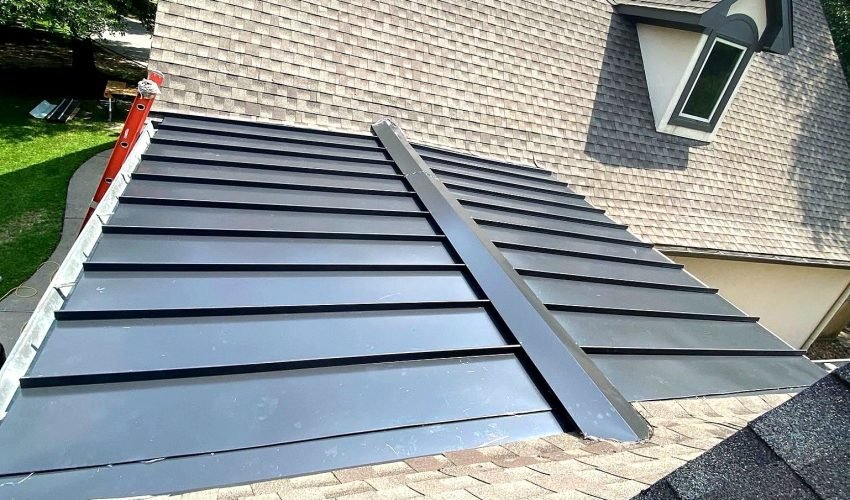
Matching Shingles Across a Twenty-Year Gap
Blending a repair into a roof twenty years older than the nearest catalog color is the quiet specialty Apex forces on us. We pull from salvage for the old side, current lines for the new, and when a seam between eras has to show, we place it where the eye gives up: behind a dormer, above a porch, on the least visible slope. You approve every match from the ground before we cut, and when the gap is too wide to bridge honestly, we say so and show you the cleanest full-slope option.
Repairs That Keep Your Paperwork Clean
New Apex roofs live inside paperwork: manufacturer registrations, builder files, sometimes carrier claims. Old Apex roofs generate paperwork of their own at sale time or after a storm. We write both kinds of file as we work, fastener counts, flashing details, product names, dated photos, so a warranty desk, an adjuster, or a buyer’s inspector reads a clean story. The roof gets fixed; the file gets built; and the two agree with each other.
What Roof Repair Costs in Apex
The two eras price differently. New-side repairs are usually labor-light and documentation-heavy: a creased slope section, a pipe boot line, a hail map and a claim file. Old-side repairs are the reverse: slower hands, salvage hunting, decking surprises behind plank boards. The scoping visit that sorts them costs nothing, and the estimate tags each line to its era with the product named, so you can see exactly which Apex you are paying for. Trimming scope is always on the table; the roof tells us what can wait.
From Salem Street to the New Subdivisions: Apex Roof Repair Questions
Likely yes on the manufacturer side, and possibly on the builder side, depending on the paperwork that came with the house. We do not administer those warranties, but we repair to the manufacturer's written spec and document fasteners, flashing, and product so a warranty conversation stays intact. Bring us the original documents if you have them; if not, we read the shingle label on the roof and tell you what it says.
Yes, and carefully. Cottages near Salem Street and the historic district get light foot traffic, hand pulling of brittle shingles, and matching stock from our salvage shelves. Where the house sits inside district guidelines, we keep visible work respectful of the streetscape and confirm any review step with the Town of Apex before we schedule. Old roofs get repaired, not remodeled.
Minor repairs generally do not, while re-roofs and structural decking work usually do, and Apex administers its own permits separate from Raleigh and the county. We confirm the requirement for your address and scope before scheduling, and any permit fee shows as its own line on the estimate. New subdivision HOAs sometimes add a review step of their own, which we flag early.
That seam is one of our most common Apex calls. We rebuild the transition with its own flashing logic instead of adapting the old metal, and blend the two shingle ages as closely as stock allows. When the older side has aged past the point where a tied repair will hold, we say so plainly, because connecting a good roof to a tired one is paying twice.
Apex sits on our southwestern run, so most non-storm leaks get a scoping visit within a few days and active leaks jump the queue. After a Triangle-wide wind or hail event the queue stretches for everyone, and we quote the honest wait when you call. If water is moving now, we tell you what to shift and catch inside until the crew arrives.
Young hail damage is exactly the case where documentation decides the outcome. We map the impacts slope by slope, date the photos, and write the scope in carrier language, then you decide whether to file. If the carrier rules it wear instead of storm, the same file tells you honestly whether a paid section repair is the right next step. Either path starts with the same visit.
About Us
Raleigh Roof Pro
Raleigh-based roofing contractor handling repairs, replacements, and storm damage across Wake County, from a single pipe boot to a full tear-off.
this is iframe for city map location