Flat Roof Replacement Raleigh, NC
- Home
- Flat Roof Replacement Raleigh, NC

Flat and Low-Slope Roofs That Shed Water the Way They Should
Flat roofs fail for one reason more than any other: water that sits instead of runs. Raleigh Roof Pro replaces flat and low-slope roofs across Raleigh, Cary, Garner, Apex, Wake Forest, Morrisville, and Knightdale, building systems that move water to drains and scuppers instead of letting it pool. We install TPO, EPDM, and modified bitumen membranes on additions, porches, carports, townhomes, and the low-slope sections that come with many Triangle houses. Every flat roof project starts with a free inspection that reads the membrane, the seams, the flashing, and the drainage pattern, and ends with a written, line-item estimate you approve before we order a single roll of membrane.
TPO, EPDM, or Modified Bitumen: Picking the Right Membrane
TPO is the white, heat-reflective membrane most new flat roofs in the Triangle get today: seams are heat-welded into one continuous sheet, and the light color cuts cooling load through August. EPDM is the black rubber option, flexible in cold weather and proven over decades, a good fit for roofs that sit in shade and run cooler. Modified bitumen is the asphalt sheet system that suits roofs with foot traffic and a lot of penetrations. We walk you through all three on your actual roof, explain the trade-offs in plain language, and price each so the choice is yours, not ours.
Ponding Water: The Flat Roof’s Biggest Enemy in the Triangle
A sloped roof sheds water by gravity; a flat roof has to be built to shed it, and when the slope is wrong, water pools and ages the membrane years in a few seasons. We map where water stands 48 hours after rain, then correct the pattern with tapered insulation, new drains, or scupper work during the replacement. The National Weather Service logs the slow-moving rain events that hit Wake County, and standing water is what turns those events into leaks. Fixing the membrane without fixing the ponding is how a brand-new flat roof fails early, so drainage is part of every flat roof quote we write, not an add-on discovered later.
Flashing, Parapets, and Seams: Where Flat Roofs Actually Leak
The field of a flat membrane rarely fails first; the leaks live at the edges. Parapet wall flashing, roof-to-wall transitions, drain bowls, scupper sleeves, and pipe penetrations are the points we inspect and rebuild with the same care as the field. Seams get welded or sealed to the membrane manufacturer’s spec, and every penetration gets a new boot or collar, because reusing old flashing under a new membrane is the shortcut that brings the leak back.
Replacement or Coating: The Honest Fork in the Road
Not every aging flat roof needs a full tear-off. A membrane that is weathered but intact, with sound seams and dry insulation, can often be cleaned and coated with a reflective elastomeric system that adds years of life. A membrane with widespread splits, wet insulation, or ponding that coating will not fix needs replacement, and we will show you the core samples and moisture readings behind that call. You get both options priced when both are viable, and a straight recommendation when they are not.
Why Choose Us for Flat Roof Replacement
Flat roofing is a different trade from shingle work, and it rewards crews who treat it that way. Seams get welded or sealed to spec, drains get cleared and tested, and the membrane gets a seam check and water test before we call the job done. Raleigh Roof Pro crews carry membrane, fasteners, tapered stock, and flashing metal on the truck, so most flat roof calls get a real answer on the first visit instead of a second trip.
The paperwork is part of the build too. Your estimate lists the membrane, the insulation, the flashing, the drainage work, and the cleanup line by line, and if we open the roof and find wet insulation or soft decking, you approve the change with photos before we order anything extra. You set the schedule, and we hold it.
What a Flat Roof Inspection Includes
We walk the full membrane, probe the seams and penetrations, check every drain and scupper for flow, and read the underside from inside where access allows. We map ponding areas, note blistering or splitting, and photograph each finding. You get a written summary whether you book the replacement, coat the roof, or wait, and if the membrane is safe to wait on, we tell you that too.
- TPO, EPDM, and modified bitumen systems priced side by side for your roof
- Tapered insulation and drain work that fixes ponding, not just the membrane
- Parapet, wall, and penetration flashing rebuilt in matching materials
- Written line-item estimate with photos, yours to keep either way
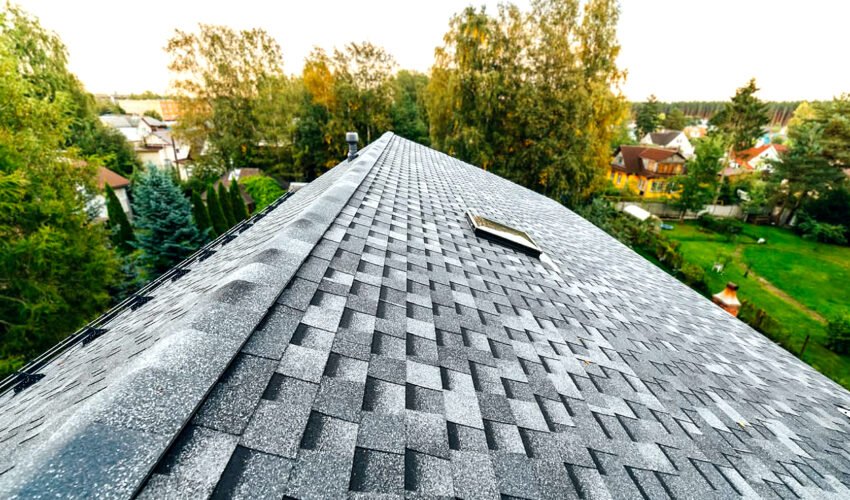
Flat Roofs on Raleigh Ranches, Additions, and Townhomes Much of the flat roofing we see in Wake County sits on 1960s and 70s brick ranches with low-slope porches, on rear additions that were built flat to save money, and on townhomes in Morrisville and Cary where one membrane covers several units. Each brings its own details: ranch parapets that hide old flashing, additions tied into a sloped main roof, and townhome associations that want one crew and one schedule. We have worked all three enough to quote them accurately and build them cleanly.
Drainage First: Tapered Insulation, Drains, and Scuppers The slope on a flat roof is created, not found. During replacement we install tapered insulation that sends water to the drains, set or reset drain bowls and scupper sleeves, and confirm flow with a water test before the job closes. Where a roof has stood water for years, we also check the deck for delamination and the insulation for saturation, because building a new membrane over wet materials traps the problem you are paying to remove. All work follows the NC Residential Code where the structure falls under it.
Flat Roof Replacement Cost in Raleigh: What Sets the Number Square footage matters less on a flat roof than the details: how many penetrations exist, whether ponding needs tapered insulation, what the deck needs, and which membrane you choose. TPO and EPDM sit close in price, while modified bitumen and heavy flashing packages move the number up. We measure the roof, test the drains, and put every line item in the estimate, so the number we quote is the number you plan around, and we always show you how the quote changes if you choose coating over a full roof replacement.
Flat Roof Questions Raleigh Homeowners Ask
A well-built TPO or EPDM roof in this climate typically runs 20 to 30 years, and modified bitumen lands in a similar range when maintained. The enemies are standing water and UV at the seams, which is why we build positive drainage into every replacement and check seams on a regular cycle. Coatings at the right time can extend that life further.
Because the slope has failed or was never built in. Water follows the lowest point, and over years the deck or insulation settles until that point sits in the middle of the field instead of at a drain. The fix during replacement is tapered insulation and corrected drains or scuppers, so water has a destination. Coating over ponding does not cure it.
Sometimes, with a lightweight tapered system or, on smaller sections, a framed slope added over the existing structure. A full conversion to a steep-slope shingle roof is a structural project that changes the house's framing and looks, and it is not always worth the cost. We inspect the structure and tell you honestly whether a slope can be created within your budget.
For most homes here, TPO wins on heat reflection and seam strength, because welded seams form one continuous sheet. EPDM wins on cold-weather flexibility and a long track record in shaded spots. Both are excellent membranes when installed to spec, so we price both on your roof and let the numbers and your house's sun exposure decide.
If the membrane is weathered but intact, the seams are sound, and the insulation below is dry, a reflective elastomeric coating can add years at a fraction of replacement cost. If we find widespread splits, wet insulation, or ponding that coating will not fix, we show you the moisture readings and recommend replacement instead. You get both options priced when both are viable.
Not when they are built and maintained right. Flat roofs leak more only when water is allowed to pond or when seams and flashing are neglected. A flat roof with positive drainage, welded or sealed seams, and rebuilt penetrations sheds water reliably for decades, which is why we put drainage and details at the center of every flat roof quote.
Our Services
About Us
Raleigh Roof Pro
Raleigh-based roofing contractor handling repairs, replacements, and storm damage across Wake County, from a single pipe boot to a full tear-off.