Hurricane Roof Damage Repair Raleigh, NC
- Home
- Hurricane Roof Damage Repair Raleigh, NC

Hurricane Winds Leave Damage You Can't Always See
When a named storm tracks up the coast and spins wind through the Triangle, roofs take the first hit. Raleigh Roof Pro repairs hurricane roof damage across Raleigh, Cary, Garner, Apex, Wake Forest, Morrisville, and Knightdale, from shingles peeled off the ridge to decking punched through by oak limbs. We tarp open roofs before the next rain band arrives, document every point of wind damage with dated photos, and rebuild to the wind ratings the NC Residential Code requires. Every job starts with a free inspection and a written estimate, and nothing moves forward until you approve the scope. Whether the damage is one missing tab or a whole slope, the process is the same: stop the water, record the damage, then repair it right.
How Hurricane-Force Wind Fails a Shingle Roof
Hurricane-force gusts do not just blow shingles off; they get under them. Uplift breaks the seal strips, creases the tabs, and loosens the nails along the edges and ridges first. From the ground the roof can look untouched while the edges are already failing. We also find granule loss at downspouts, lifted flashing at chimneys, and ridge caps hanging by a few nails. That hidden uplift is why a post-hurricane inspection matters even when the roof appears fine from the driveway.
Tarping Before the Next Rain Band Arrives
A hurricane rarely comes alone. Rain bands follow for days, and an open deck soaks up every one of them. Our crews tarp breached roofs with woven poly covers strapped over wood battens, lapped so water sheds off the cover instead of under it. The tarp is not the repair; it is what keeps your attic dry while the permanent fix gets scheduled. We photograph the breach before and after tarping so the record shows both the storm damage and the steps you took to protect the home.
Documenting Wind Damage for Your Carrier
Insurance after a named storm runs on paperwork. We photograph each damage point with dates, map the uplift pattern across the slope, and write a cause report that separates storm damage from normal wear. That distinction matters, because carriers in North Carolina cover sudden wind events but not age. We walk the roof with your adjuster when you want us there, and we keep you the owner of the claim at every step.
Rebuilding to the Wind Ratings the Code Requires
When damage is too wide for section work, we rebuild the whole slope or the whole roof. That means tear-off to the deck, replacement of split panels, new synthetic underlayment, and shingles nailed to the wind ratings the NC Residential Code sets for Wake County. Ridge caps, drip edge, and flashing go back to code too, so the rebuilt roof is stronger than the one the storm took down.
Why Choose Us for Hurricane Roof Damage Repair
Hurricane work is a sequence, and we run it in order: tarp, document, estimate, rebuild. Raleigh Roof Pro crews carry tarps, battens, matching shingles, and flashing on the truck, so the first visit stops the water and starts the record. As a GAF Certified Contractor, we install qualifying shingle systems with the enhanced warranties that come with certified installation.
We also keep the claim side clean. Dated photos, a written cause report, and a line-item scope go to your carrier, and we meet the adjuster on the roof when you ask us to. We never promise a coverage outcome, because that call belongs to your carrier. What we control is the documentation and the quality of the rebuild.
What a Hurricane Damage Inspection Covers
We walk the slopes, ridges, rakes, valleys, flashing, chimneys, skylights, and gutters, then read the attic side for water paths, daylight, and split decking. You get a written summary with photos whether you file a claim, book a repair, or wait out the season. If the roof can safely wait, we tell you that too.
- Emergency tarping with batten-strapped covers before the next rain band
- Dated photo map of uplift, missing tabs, and impact points for your claim
- Wind-rated rebuilds to NC Residential Code fastening standards
- Adjuster meetings on the roof when you want us there
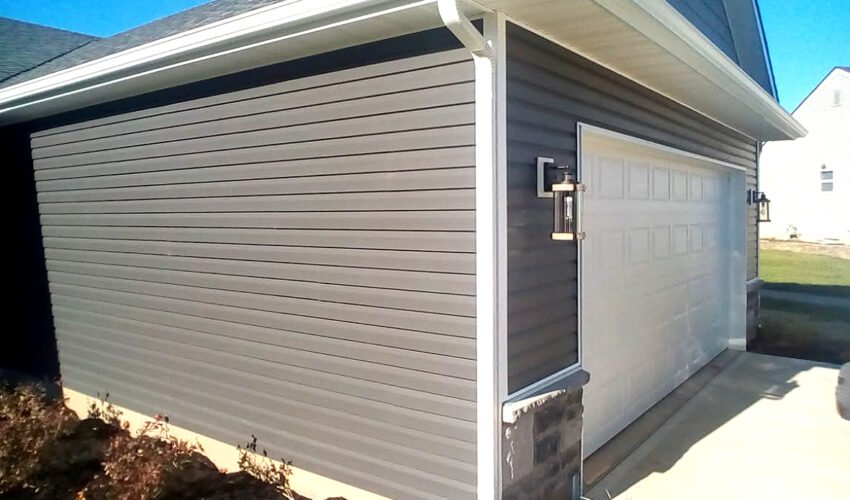
Tarping That Holds Until the Rebuild
After a named storm, calls queue by severity, and open roofs go first. We strap covers over battens so the next rain band sheds off the cover, not into your attic. The tarp stays until the permanent repair crew arrives, and the tarp cost is documented so it can sit inside your claim where your policy allows.
Insurance Claims After a Named Storm
North Carolina policies often carry a separate hurricane deductible, usually a percentage of the dwelling coverage, and it only applies when the National Weather Service names a hurricane. We help you read that paperwork and build the file, but the carrier sets the deductible and the coverage call. Our job is making sure the file is complete and the damage is documented.
Rebuilding Stronger Than the Storm Found It
A rebuild is the chance to correct what the storm exposed. We replace split decking, upgrade underlayment, and fasten shingles to the wind ratings the code sets for your zone. Ridge caps, drip edge, and flashing go back to code, and the finished roof gets a final walkthrough with you before we call it done.
Hurricane Damage Questions Raleigh Homeowners Ask
As soon as it is safe to climb. We queue hurricane calls by severity, with open decks and active leaks first, and schedule the rest as fast as the queue allows. When you call, we tell you the soonest realistic slot, not a guess.
Most North Carolina policies cover sudden wind and wind-driven rain damage, though a hurricane deductible can apply depending on your policy. We build the file with dated photos and a written cause report, and your carrier makes the coverage call.
Yes. Hurricane winds crease tabs and break seal strips without blowing shingles off, and that damage is invisible from the ground. A post-hurricane inspection catches it while it is still claimable, before it turns into a ceiling stain.
Yes, when you want us there. We point out each documented damage point on the roof and make sure the scope matches what the hurricane actually did. You stay in control of the claim from start to finish.
We let the damage decide. Isolated wind damage gets section repair with matching materials. When damage is widespread or the shingles are near the end of their life, we quote a full replacement to current wind code and explain the difference in plain numbers.
Our Services
About Us
Raleigh Roof Pro
Raleigh-based roofing contractor handling repairs, replacements, and storm damage across Wake County, from a single pipe boot to a full tear-off.