Wood Shake Roof Installation Raleigh, NC
- Home
- Wood Shake Roof Installation Raleigh, NC

The Look Asphalt Keeps Trying to Imitate
A cedar shake roof ages the way good leather does: it silvers, it weathers, and at year twenty it often looks better than it did on day one, provided it was built to breathe. That proviso is the whole story in Raleigh, where humidity, oak shade, and leaf litter punish a shake roof that was installed like a shingle roof. Raleigh Roof Pro installs wood shake the old way, on spaced sheathing with the right exposure and the right metal, for the cottages and custom homes that deserve it, and we install cedar-look alternatives where the lot or the rules say real wood will not survive. Most of our shake work sits in the older pockets of Raleigh itself, with the rest split among the tree-heavy streets of Cary, Apex, and Wake Forest and the ranch lines of Garner and Knightdale.
Shake Is Split, Shingle Is Sawn: Know What You Are Buying
A cedar shingle is sawn smooth and tapered, a neat uniform piece. A shake is split from the block, keeping the grain rough and the butt heavy, which is why it shadows deeper, weathers slower, and gives a roof that hand-built texture no mill product copies. Hand-split heavies and tapered sawn shakes each belong on different houses, and the bundle tag tells you which you are holding. We walk you through the difference with samples on your own roofline, because the wrong piece on the wrong house reads as costume instead of character.
Air Is an Ingredient: Why Shake Roofs Are Built to Breathe
Wood lasts when it dries, and it dries when air moves on both sides of it. That is why a proper shake roof is laid over spaced sheathing with felt interlayment between courses, so every shake can exhale after a rain. Solid-deck a shake roof and you have built a slow compost pile: cupping, curling, and moss within a few seasons. In Raleigh’s humidity this is not a preference, it is the difference between a thirty-year roof and a twelve-year regret, so we rebuild the deck the material asks for, even when it costs more on day one.
Reading the Bundle Tag: Grades, Treatment, and Fire Ratings
Cedar arrives with paperwork, and we read it in front of you. Certi-Label bundles carry the grade and the mill, pressure-treated bundles carry preservative that slows decay in damp climates, and fire-retardant-treated bundles carry a Class B or C assembly rating recognized under the NC Residential Code where the rules require it. Untreated heartwood is the purist’s choice and the right call on dry, breezy lots. We match the tag to your house, your shade, and your district’s rules, and the tag you approve is the tag that gets nailed up.
Fasteners, Hips, and Ridges: Where the Craft Shows
Shake work is judged at the details a ladder-height glance misses: ring-shank stainless or hot-dipped fasteners that will not streak the wood with rust, exposures kept true so the butt lines run straight for forty feet, hips and ridges capped in cedar or metal that sheds instead of soaks. A shake roof is thousands of fastening decisions, and each one is a future leak or a future non-event. Our crews make the non-events, and we leave the offcuts bagged and the site raked so the roof is not the only clean thing on the property.
A Dying Craft We Keep on Purpose
Fewer crews every year still know how to build a shake roof, because fewer roofs ask for one, and the skill quietly retires with the old hands. Raleigh Roof Pro keeps a trained shake crew on purpose, because the cottages of Oakwood and Boylan Heights and the custom builds that want real cedar deserve a crew that has done it a hundred times, not a crew learning on your house. The craft is slow, the bundles are heavy, and the exposure lines are unforgiving, and we like it that way.
We also keep the honesty that the material demands. A shake roof under a canopy of oaks on a north-facing lot will struggle no matter who nails it, and some neighborhoods and associations ban wood outright for fire reasons. When your lot or your rules say wood is the wrong call, we tell you on the first walk-through and show you the cedar-look alternatives that pass both the shade test and the rulebook, so you get the character without the fight.
From Bundle Tag to Ridge Cap: The Order of the Work
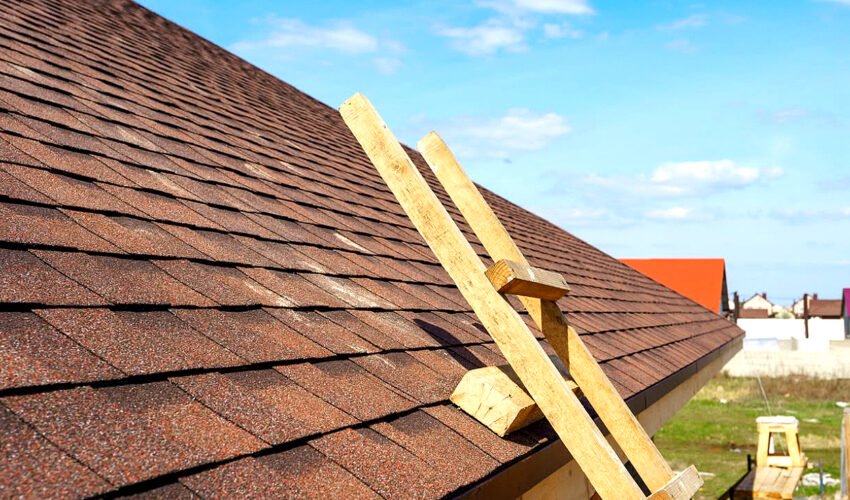
We measure and order by the tag, then tear off to the deck and rebuild it as spaced sheathing or a vented assembly. Interlayment goes between courses at the set exposure, shakes run staggered with open joints, and hips and ridges get capped last in cedar or metal. Fasteners are stainless or hot-dipped, driven flush, never overdriven through the face. The roof gets a water check at the ridges and valleys, and you get a walkthrough of the butt lines before we call it finished.
- Hand-split and tapered cedar laid at true exposures over spaced sheathing
- Felt interlayment between courses so every shake dries from both sides
- Stainless or hot-dipped ring-shank fasteners that never rust-streak the wood
- Cedar or metal hip and ridge caps, with the site raked and bagged at close
When a Raleigh Lot Is Wrong for Wood, We Say So
Shade is the honest enemy of a shake roof. A house under mature oaks with a north slope that never sees afternoon sun will hold moisture in the wood for days after rain, and moss wins. Leaf litter that dams the valleys does the rest. On those lots we say so plainly, price the alternative, and keep the cedar for the houses that can actually dry. You get the truth on day one instead of a callback in year four.
The Look Without the Upkeep: Cedar Alternatives We Install
Composite and polymer shake systems now copy the split-grain shadow line closely enough that neighbors have to touch the roof to be sure, and cedar-look metal roofing carries the profile with almost no maintenance. Both pass fire rules that ban real wood, both shrug off shade that would rot it, and both usually land below premium treated cedar on price. Where the rules or the lot say no to wood, these are how the house still gets its character, and for historic pockets we check the City of Raleigh guidelines before anything is ordered.
What Wood Shake Installation Costs in Raleigh
Shake pricing follows the bundles and the deck: hand-split heavies cost more than tapered sawn, pressure-treated and fire-rated bundles more than untreated, and a roof that needs its sheathing rebuilt to spaced boards costs more than one that already has them. Hips, dormers, and chimneys multiply the detail work, and a full roof replacement scope with shake sits above shingle work for exactly those reasons. The walk-through that settles those variables is free, and the quote lists bundles, labor, sheathing, and metal as separate lines, so trimming scope later is a choice you can make without redoing the math.
Before You Choose Cedar: Questions We Answer on Site
On a dry, breezy lot with afternoon sun, a properly built shake roof in this climate runs twenty-five to thirty years, sometimes past. Under heavy shade with poor airflow, the same wood can struggle at fifteen. That spread is why we look at your lot before we quote, and why the deck, the exposure, and the interlayment matter as much as the cedar itself.
It depends on the governing documents, and they are not consistent across the Triangle. Some historic pockets welcome or even prefer wood, while newer HOAs and fire-conscious covenants ban it outright. We ask for the applicable rules before you commit, and where wood is barred we show you the composite and metal systems that satisfy the covenant and still read as shake from the street.
A shake is split from the block, so it keeps a rough grain and a heavy butt; a cedar shingle is sawn, so it is smooth and tapered. Shakes shadow deeper and weather slower, which is the rustic look; shingles lie flatter and read more tailored. Both are cedar, both need air to dry, and the choice is mostly about the house's character and the exposure your roof can run.
It needs attention, not pampering. Keep leaves and pine needles out of the valleys, keep overhanging limbs trimmed so the roof sees sun and air, and have it checked after major storms for lifted or split pieces. Some owners add preservative treatments on a cycle to slow decay in shaded sections. None of it is expensive; neglect is the expensive version.
Yes, and it is a routine call for us. A split or lifted shake is extracted with a flat bar, and a new piece is woven in and fastened per practice, with the weathered color matched as closely as stock allows. A handful of swaps keeps the field tight; if we find dozens failing in one slope, we tell you the slope is telling you something bigger.
Untreated cedar burns, and that is the honest starting point. Pressure-treated, fire-retardant shakes carry Class B or C assembly ratings and are accepted in many regulated areas, and the assembly details, like capped ridges and clean valleys, matter as much as the treatment. If your area or covenant requires a rated roof, we quote the treated assembly and put the rating paperwork in your file.
Our Services
About Us
Raleigh Roof Pro
Raleigh-based roofing contractor handling repairs, replacements, and storm damage across Wake County, from a single pipe boot to a full tear-off.