Storm Damage Restoration Raleigh, NC
- Home
- Storm Damage Restoration Raleigh, NC

Raleigh Response for Wind, Hail, and Fallen Limbs
Every major storm that hits the Triangle leaves the same story behind: shingles in the yard, a tarp on one roof and not the next, and a water stain that grows by the day. Raleigh Roof Pro handles storm damage restoration across Raleigh, Cary, Garner, Apex, Wake Forest, Morrisville, and Knightdale, from emergency roof tarping to full wind and hail restoration. We inspect the entire roof, document every point of damage with dated photos, and put the findings in a written report you can hand to your homeowners insurance carrier. You approve the scope and the schedule before any permanent work begins.
What Triangle Storms Actually Do to a Roof
Hurricane season and summer pop-up storms hit Raleigh roofs from two directions at once. Straight-line wind lifts and creases shingles at the edges and ridges, while driving rain pushes water through every opening the wind creates. Tropical storm remnants like Debby and Isaias dropped oak and pine limbs across Wake County, punching through fields and cracking tiles. Even when a storm passes without a visible leak, the damage can be real and claimable. The National Weather Service office in Raleigh logs these wind and hail events, and that record supports your claim, which is why a roof storm damage inspection after any major storm is worth booking.
Tarp First, Then a Permanent Plan
When a storm opens a roof, the first job is stopping water. Our roof tarping crews secure a batten-strapped tarp over the breach so the attic, insulation, and drywall stay dry while the permanent repair is scheduled. The tarp visit also gives us a close look at the surrounding damage, so the repair plan that follows is based on what we actually found, not a guess from the ground.
Wind Damage That Passes a Casual Look
Wind damage roof repair starts with details most people miss from the driveway: creased tabs that no longer seal, lifted shingles with broken adhesive strips, missing pieces at rakes and ridges, and flashing pulled at the seams. Left alone, each one becomes a leak path in the next rain. We mark every affected area, photograph it, and repair the field section by section so old and new shingles shed water as one.
Hail, Limbs, and Hidden Deck Damage
Hail leaves dark bruises where granules are knocked loose, and a fallen limb can crack the surface while the decking underneath splits without showing from above. Where impact has gone through, we cut out and replace damaged panels, then rebuild underlayment and shingles to the NC Residential Code. Every quote we write lists exactly what was found and where, so there is no guesswork in the scope.
Why Choose Us for Storm Damage Restoration
Storm work rewards preparation. We carry tarps, battens, matching shingles, flashing, and fasteners on the truck, so most storm calls get stabilized on the first visit. After the tarp is on, we return for a full roof storm damage inspection, inside and out, and write a cause report that ties each point of damage to the storm event.
If you file a homeowners insurance claim, that report and the dated photos go in your claim file, and we walk the roof with your adjuster when you want us there. We never promise a coverage outcome, because that decision belongs to your carrier. What we control is the documentation, the quality of the restoration, and a schedule that treats your house like the emergency it is.
What a Storm Damage Inspection Includes
We check the field, ridges, rakes, valleys, flashing, chimneys, skylights, and gutters, then read the attic side for water paths and daylight. You get a written summary with photos whether you file a claim, book a repair, or wait. If the roof is safe to wait on, we tell you that too.
- Emergency roof tarping to stop active water intrusion
- Dated photo documentation and written cause report for your claim file
- Wind and hail repairs matched to your existing shingle and color
- Full roof restoration from decking to ridge cap when damage is widespread
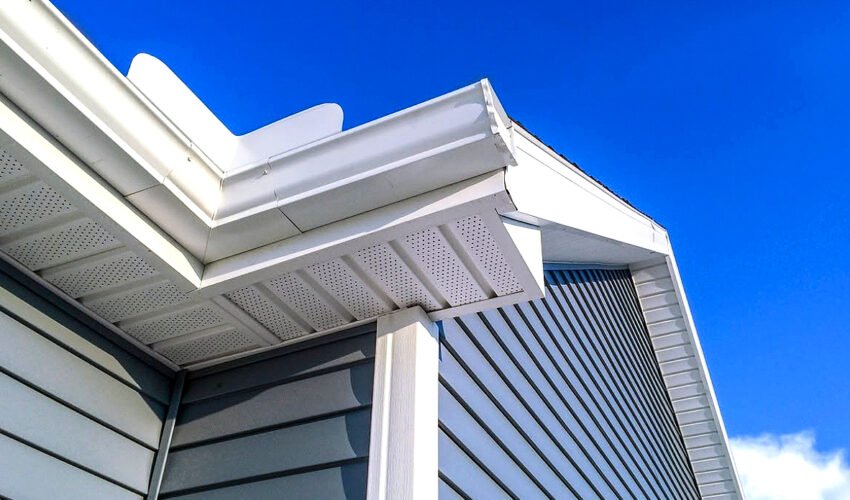
Emergency Roof Tarping in Raleigh
After a wind event, calls come in faster than any crew can climb. We log every call in order and stabilize roofs as quickly as the queue allows, prioritizing active leaks over cosmetic damage. The tarp holds until the permanent repair, and the tarp cost is documented so it can be included in an insurance claim where your policy allows.
Working With Your Homeowners Insurance Claim
An insurance claim roof storm damage file lives or dies on documentation. We provide dated photos, a written cause report, and a scope in line-item detail your carrier can review. If a federal disaster declaration brings FEMA assistance into the picture, the same file supports that application. You stay in control of the claim; we handle the roof side of it.
After the Storm: Full Roof Restoration
When damage is too widespread for section repairs, we restore the whole system: tear-off to the deck, replacement of compromised panels, new underlayment, flashing, and shingles installed to current code. The goal of every roof restoration is a roof that meets today’s wind standards, not the standards your house was built to.
Storm Damage Questions Raleigh Homeowners Ask
We log storm calls in the order they arrive and stabilize active leaks first. If we cannot reach you the same day, we tell you the soonest slot and how to limit interior water damage until the tarp goes on.
Most policies in North Carolina cover sudden wind and hail damage, while wear and tear is excluded. Your carrier makes the call, but a complete claim file with dated photos and a cause report gives your claim its best footing, and the inspection that builds it is free.
No. We can inspect the exterior and attic access points without you on site, then walk you through the photo report by phone. If you prefer to be there, we schedule a time and go through everything together.
Yes, when you want us there. We walk the roof with the adjuster, point out each documented damage point, and make sure the scope reflects what the storm actually did. You remain the owner of the claim at all times.
We match color as closely as available stock allows. If a matching section repair is not possible and the damage is claimable, carriers in North Carolina may allow broader replacement. We document the mismatch and let your policy terms decide.
Our Services
About Us
Raleigh Roof Pro
Raleigh-based roofing contractor handling repairs, replacements, and storm damage across Wake County, from a single pipe boot to a full tear-off.