Roof Flashing Repair Raleigh, NC
- Home
- Roof Flashing Repair Raleigh, NC

Most Raleigh Leaks Start at the Flashing, Not the Shingles
Shingles get the blame, but on most roofs we climb in Raleigh, the water is coming in at the metal: a step flashing seam that opened where a wall meets the roof, a chimney counter flashing that was caulked instead of cut, a pipe collar that baked hard in the sun. Raleigh Roof Pro repairs roof flashing across Raleigh, Cary, Garner, Apex, Wake Forest, Morrisville, and Knightdale, replacing failed metal with new flashing that is woven into the roof the way it should have been built. Every visit starts with a free inspection, ends with photos and a written scope, and tells you honestly whether the metal can be sealed or needs to come out and be replaced.
Where Flashing Fails First on Triangle Roofs
Chimneys top the list, followed by every place a vertical wall drops onto a sloped roof. Valleys that were sealed with tar instead of woven metal come next, then pipe collars that turned brittle after a few Carolina summers, and skylight curbs whose sealant cracked in the heat. Add Raleigh’s humidity, which speeds corrosion on older galvanized pieces, and driving rain that hunts any open seam, and you have most of the flashing failures we see in a week. The National Weather Service logs the driven-rain events that find those seams, which is why storms expose flashing problems that drizzle never shows.
Caulk Is Not Flashing: The Shortcut We Keep Fixing
Sealant has a job on a roof, and that job is not replacing metal. Yet half the flashing calls we take start with a bead of caulk or a trowel of roofing tar standing in for a piece of metal that was never installed. Sun cracks caulk in a season or two, and the leak returns with interest. Our fix removes the shortcut, dries the area, and puts real flashing in its place, so the repair ages like metal instead of like paint.
Step, Counter, Kick-Out: The Three Names Worth Knowing
Step flashing is the small L-shaped pieces woven under shingles where a wall meets the roof, and it fails when a seam opens or a shingle is replaced without care. Counter flashing is the metal cut into a chimney’s mortar and folded down over the base flashing, and it fails when it is surface-mounted with caulk instead. Kick-out flashing is the little diverter at the bottom of a wall run that throws water into the gutter, and when it is missing, the siding and sheathing behind it pay for it.
Repair, Re-Seal, or Replace: How We Make the Call
If the metal is solid and only a sealant joint failed, a careful re-seal is honest work and we price it that way. If the flashing is rusted, crushed, or was never the right piece, it comes out and a fitted replacement goes in, woven with the shingles and integrated with the underlayment to the NC Residential Code. You see photos of every point before and after, and the written scope lists each flashing point separately, so you know exactly what you approved.
Why Choose Us for Roof Flashing Repair
Flashing work is metalwork, and metalwork rewards the crew that owns a brake. Raleigh Roof Pro fabricates replacement pieces to fit each house instead of forcing stock parts into places they do not belong, and we weave new flashing with the existing shingles rather than burying it under tar. The difference shows up in the next hard rain, and in the one after that.
You also keep a record that means something. Every flashing point we touch gets photographed, and the report we leave you works for an insurance file, a home sale, or your own maintenance folder. Eleven years of Triangle roofs means we have repaired flashing on nearly every house style this area builds, from brick ranches to new two-stories, and that experience is why the fix holds instead of becoming a callback.
What a Flashing Repair Visit Includes
We check every metal point on the roof: chimney, walls, valleys, pipes, skylights, drip edge, and the gutter line where it meets the roof. Each point gets a verdict of sound, re-seal, or replace, and the ones that need work get measured for fitted metal. You get the photo set and the written scope before we bend a single panel.
- Every flashing point inspected: chimney, walls, valleys, pipes, skylights, drip edge
- Replacement metal fabricated to fit, in aluminum, galvanized steel, or copper
- Sealant used only where the design calls for it, never as the repair itself
- Photo set and itemized scope delivered before any work is scheduled
Chimney Flashing in Raleigh’s Older Brick Neighborhoods
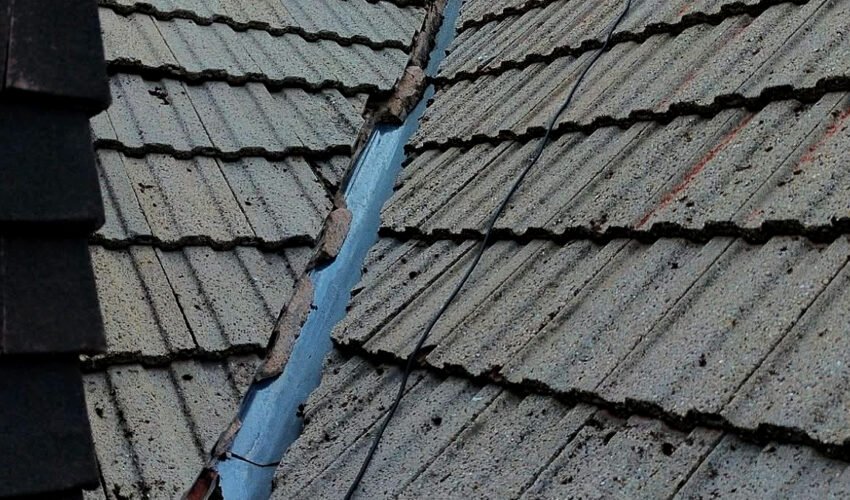
Homes in Oakwood, Boylan Heights, and Glenwood Village carry chimneys that were flashed to the standards of their decade, and those standards age. We cut new counter flashing into the mortar joints instead of gluing it to the brick face, rebuild base flashing around the saddle, and add a cricket behind wide chimneys where water piles up. Brick is forever and flashing is not, so the joint between them deserves metal that was made for the house, not bent near it.
Kick-Out Flashing: The Missing Piece Behind Siding Stains
If a vertical stain runs down your siding below where a wall meets the roof, the odds are good the kick-out diverter was never installed. Water runs down the wall flashing, misses the gutter, and soaks the siding and sheathing behind the stain. We add a proper kick-out at the bottom of the run, redirect the flow into the gutter, and replace any flashing above it that the water damaged on its way down.
What Flashing Repair Costs in Raleigh
The price follows the metal and the labor around it: a single pipe collar sits at the low end, while a chimney with counter flashing, a cricket, and mortar work is a different project. Removing and resetting siding or shingles adds time, and copper costs more than aluminum. We inspect free, price each flashing point on its own line, and tell you which points can wait if the budget says so. When flashing failure caused a leak, the related roof repair is quoted in the same visit.
Roof Flashing Questions Raleigh Homeowners Ask
Flashing leaks usually show up beside a vertical surface: a stain on the wall side of a chimney, water under a siding run, or a drip along a skylight edge. Shingle leaks tend to appear in the middle of a slope after the field ages. We confirm which one you have by reading the attic side and checking each metal point above the stain, so the repair targets the real entry instead of the nearest shingle.
Both happen. Solid metal with a failed sealant joint can be cleaned and re-sealed honestly, and we price that as the smaller job it is. Rusted, crushed, or caulk-substituted flashing needs to come out, because sealing bad metal only delays the same leak. The inspection tells you which category each point on your roof falls into, with photos to back it up.
Wind changes where water lands on a chimney. Calm rain falls on the cap and crown, but driven rain slams into the side of the brick and runs straight at the counter flashing seam. If that seam is open, surface-mounted, or caulked instead of cut into the mortar, driven rain finds it every time. Fixing the counter flashing and the base flashing together ends the pattern.
As a small part of a proper metal repair, yes: sealant belongs at end caps and pin joints where the flashing design expects it. As the whole repair, no. A bead of caulk standing in for missing or failed metal cracks within a couple of Carolina summers and the leak returns. If a previous repair was caulk-only, we remove it and install the metal that should have been there.
Aluminum for most residential work because it resists corrosion and forms easily, galvanized steel where strength and paint matching matter, and copper on chimneys and older homes where the look and the lifespan justify it. We match the metal to the location and to what it touches, because some metals cannot sit against each other without corroding, and we plan for that.
It depends on how much of the system needs work: a re-seal of sound metal sits at the low end, new base flashing costs more, and a full rebuild with counter flashing cut into the mortar plus a cricket sits at the top. We inspect free, photograph each point, and price the chimney as its own line item, so you can approve the chimney now and the rest later if you choose.
Our Services
About Us
Raleigh Roof Pro
Raleigh-based roofing contractor handling repairs, replacements, and storm damage across Wake County, from a single pipe boot to a full tear-off.